Engineering
Layout optimisation, string and inverter sizing, SLDs, cable schedules, earthing and lightning protection design.
MW / Utility Scale Solar EPC
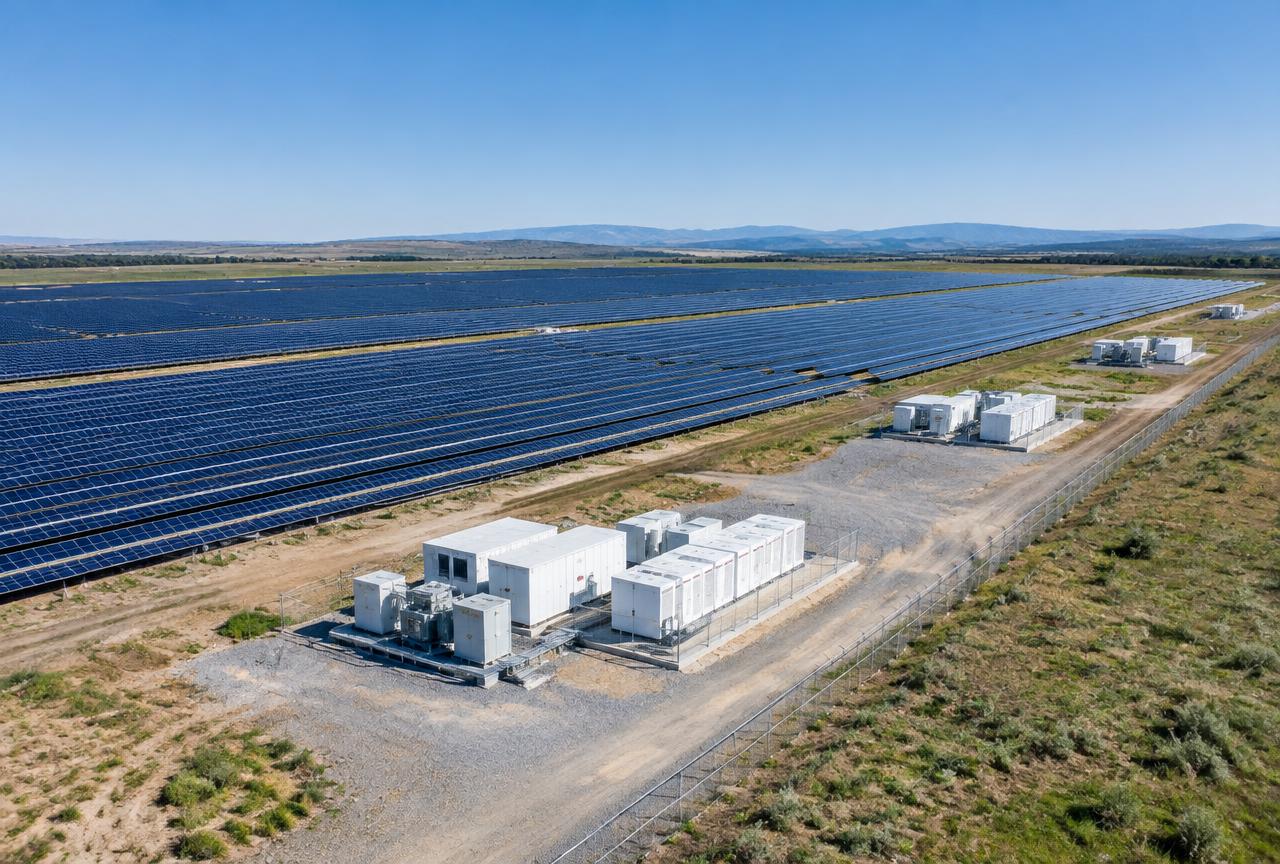
Solar EPC means one contractor carries engineering, procurement and construction responsibility for a solar plant. GLS executes MW-scale solar projects covering civil works, DC and AC works, balance of system, commissioning and ongoing O&M.
Solar EPC means one contractor carries engineering, procurement and construction responsibility for a solar plant. GLS executes MW-scale solar projects covering civil works, DC and AC works, balance of system, commissioning and ongoing O&M.
At MW scale, the plant is a construction project as much as an electrical one. Site grading, foundations, module mounting structures, cable trenching, inverter and transformer platforms, earthing grids, lightning protection and evacuation all have to be sequenced and quality-checked.
GLS structures these projects around defined milestones with inspection points at each stage, so that mechanical completion, electrical completion and commissioning are each verifiable rather than assumed.
Layout optimisation, string and inverter sizing, SLDs, cable schedules, earthing and lightning protection design.
Technical evaluation of modules, inverters, transformers, structures, cables and BOS against the design specification.
Civil foundations, structure erection, module mounting, DC stringing, AC works, switchyard interface and cable laying.
Pre-commissioning tests, inverter and transformer energisation, protection checks, performance verification and documentation.
We understand your load profile, electricity bill, tariff category and objective.
Roof or land survey covering area, orientation, shadow, structure and electrical infrastructure.
Capacity sizing, layout, module and inverter selection, cable and protection design.
Detailed scope, bill of materials, indicative generation and commercial proposal.
Structure fabrication and erection, module mounting, DC and AC works, earthing and protection.
Insulation, polarity, string current, earthing and inverter commissioning checks.
Coordination for net-metering or grid approval where applicable, then documented handover.
Generation review, scheduled cleaning and inspection, and corrective maintenance.
Photovoltaic modules that convert sunlight into DC electricity — the generating element of every solar system.
The inverter converts DC from the array into usable AC power and controls how the system interacts with the grid and batteries.
The structure holds modules at the designed tilt and orientation and transfers wind and dead loads safely into the roof or ground.
Balance of system covers everything between the modules and the supply point — where quality quietly decides long-term safety and losses.
Switching, protection and metering enclosures that make a solar plant safe to operate and maintain.
GLS has completed 300+ projects across Tamil Nadu. Case studies in this category are being documented with client approval, and we publish only what owners have confirmed may be shared. Ask us for references relevant to your category and we will send what has been approved for disclosure.
Projects & Case StudiesEngineering, procurement and construction of the plant as a single scope — design, material supply, civil and electrical execution, testing and commissioning — handed over as a working plant with documentation.
Yes. We assess what has been built and tested, identify gaps against design, and scope the balance works before taking responsibility for completion.
O&M is a separate, optional scope that can be contracted alongside EPC so that the team that built the plant continues to maintain it.
A short conversation about your consumption and site is usually enough for us to tell you what is worth doing.