End-to-End Solar EPC
A single accountable team for engineering, procurement, construction, commissioning and handover — no coordination gaps between vendors.
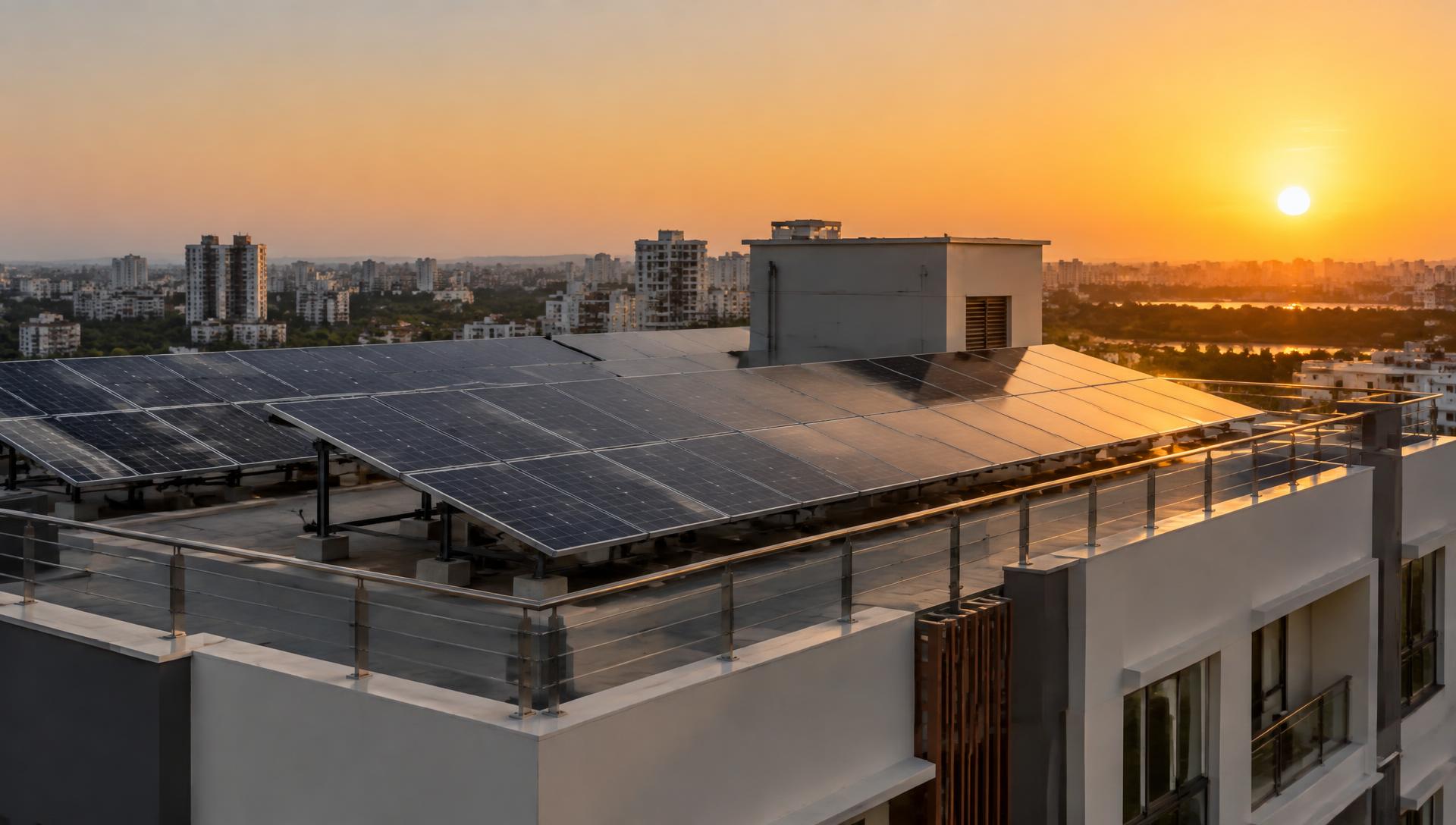
Solar EPC · Chennai, Tamil Nadu
GLS Energies Solutions delivers reliable solar EPC solutions for homes, businesses, industries and large-scale projects — from design and engineering to installation, commissioning and long-term maintenance.
Tamilnadu’s #1 Trusted Solar Company
See our completed solar projectsSolar savings calculator
Move the sliders and watch your system, savings and payback update live. All figures are approximate estimates.
Recommended system
1.0 kW
Approx. installed cost (before subsidy)
Monthly savings
Annual savings
Bill after solar
Payback period
25-year savings
CO₂ avoided / yr
Cumulative electricity cost over 25 years
Talk to our solar experts and get a customized system recommendation.
Next step after your estimate
Schedule a FREE solar consultation at home!
Our solar experts will visit your home, understand your electricity needs, inspect your roof, and recommend the right solar solution for you — completely FREE.

Thank you! Tap below to send it to our team on WhatsApp — our solar expert will contact you shortly to confirm your preferred date and time.
Service areas
Trusted solar solutions delivered across Tamil Nadu, from major cities to growing towns and communities.
Projects elsewhere in Tamil Nadu are taken up on assessment. Tell us your location and we will confirm coverage before any site visit.
Check Coverage for Your LocationChennai
Solar Installation & Consultation
What we do
GLS Energies Solutions designs, engineers, installs, commissions and maintains solar power systems — rooftop systems for homes and buildings, larger systems for commercial and industrial consumers, MW-scale EPC projects, plus solar water pumping and street lighting. We are based in Pallavaram, Chennai and work across Tamil Nadu.
Every project begins with site data rather than a standard package: your consumption history, roof or land condition, shading, structure and electrical infrastructure. That assessment decides capacity, component selection and scope — and it is what we put in the proposal, so you can see exactly what is being built and why.

Why GLS
Engineering discipline, a single accountable team and long-term service — the three things that decide whether a solar asset performs for decades.
A single accountable team for engineering, procurement, construction, commissioning and handover — no coordination gaps between vendors.
Shadow analysis, structural assessment, string sizing and cable design are completed before procurement so the installed system matches the design intent.
Systems sized from a few kilowatts on a home terrace to multi-hundred kilowatt rooftops on factories and institutional campuses.
Grid-tied systems for bill reduction and battery-backed off-grid systems where supply is unreliable or unavailable.
Civil, DC, AC and balance-of-system works managed as a sequenced project with defined milestones and quality checks.
Modules, inverters, structures and cables are selected on specification and serviceability, with datasheets shared before approval.
Preventive cleaning and inspection schedules, performance review and corrective maintenance to protect long-term generation.
You speak to the engineers who designed your system, both during execution and after commissioning.
Solar solutions
Each solution has its own dedicated page with scope, process, technical considerations and FAQs.
Rooftop solar converts sunlight falling on your roof into electricity that your building uses first, reducing the units you draw from the grid. GLS designs, installs, commissions and maintains rooftop systems in Chennai and across Tamil Nadu.
For: Independent houses and villas with usable terrace area
Explore Solar Rooftop Solutions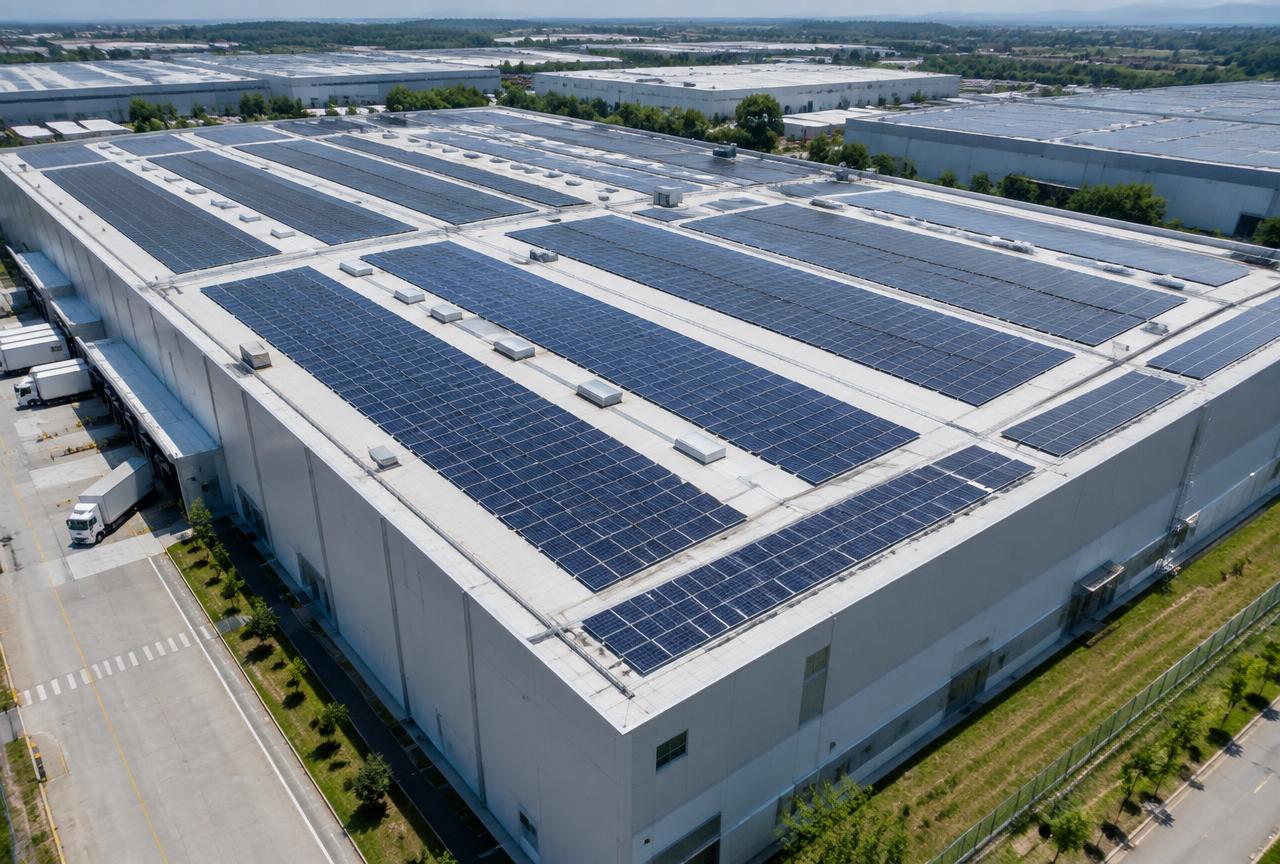
Commercial and industrial solar reduces the cost of day-time electricity for businesses by generating power at the point of consumption. GLS engineers and executes these systems on factory, warehouse, institutional and commercial buildings.
For: Factories and manufacturing units with day-shift loads
Explore Commercial & Industrial Solar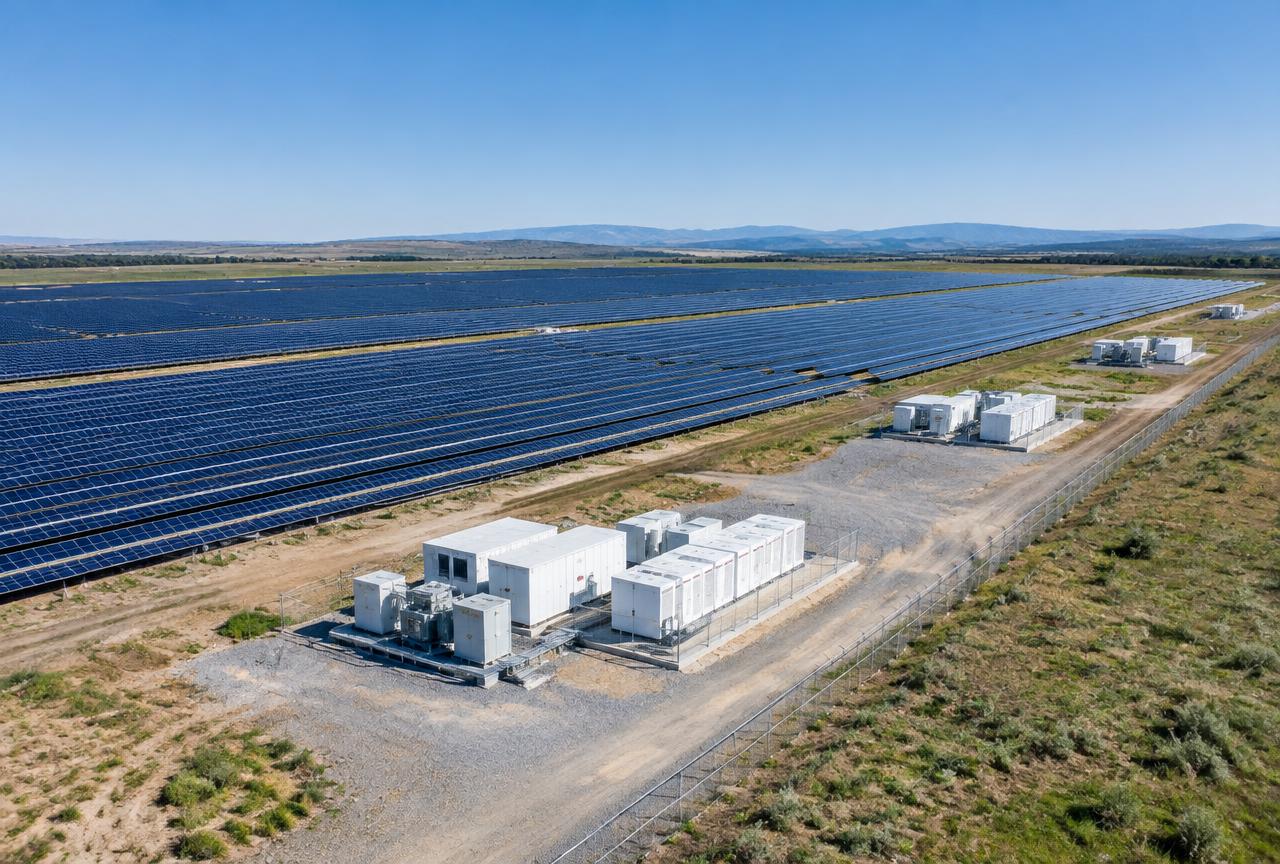
Solar EPC means one contractor carries engineering, procurement and construction responsibility for a solar plant. GLS executes MW-scale solar projects covering civil works, DC and AC works, balance of system, commissioning and ongoing O&M.
For: Developers and IPPs executing ground-mount capacity
Explore MW / Utility Scale Solar EPCAn on-grid solar system works in parallel with the utility grid and has no batteries. It is the lowest-cost configuration per kW and is suited to sites with reasonably reliable grid supply that want to reduce their electricity bill.
For: Homes and buildings with stable grid supply
Explore On-Grid Solar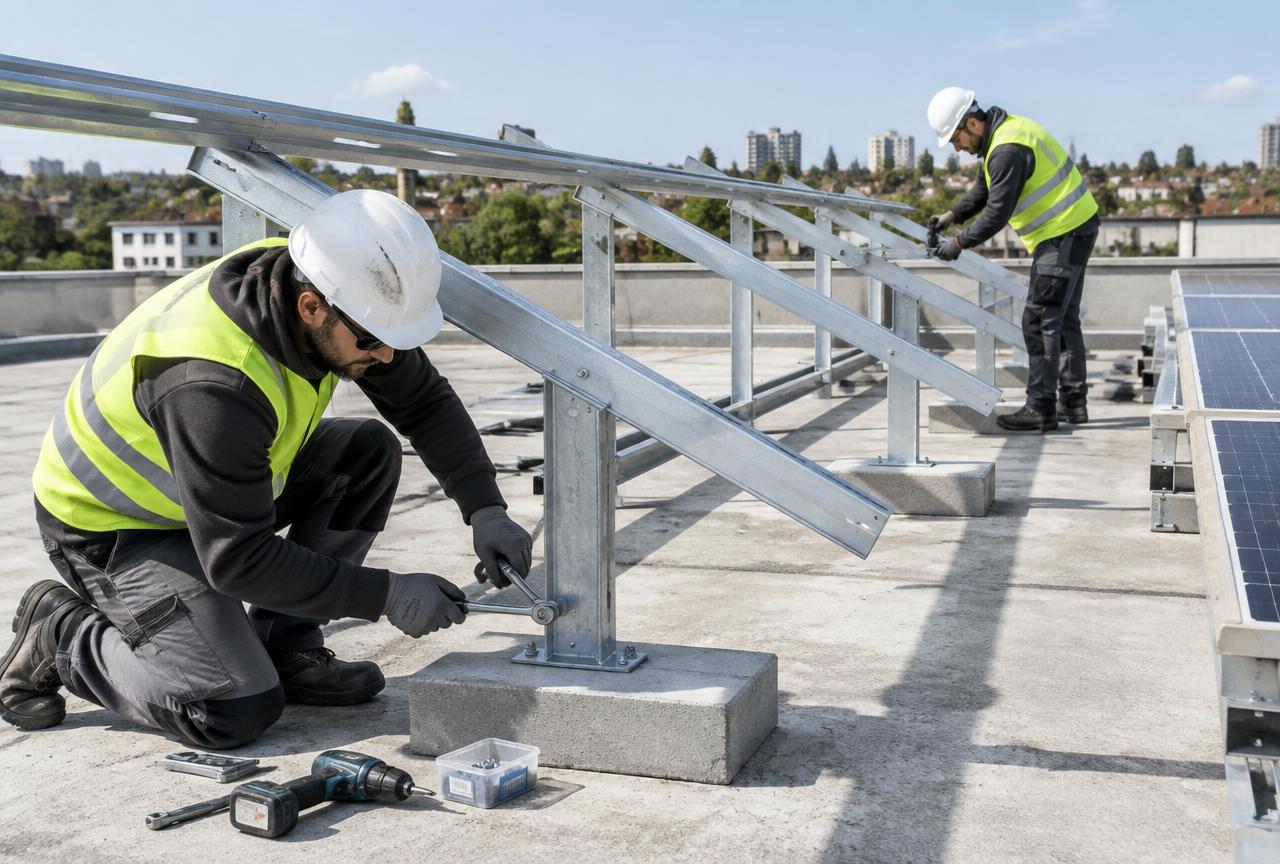
An off-grid solar system stores generated energy in batteries so selected loads keep running without the grid. It suits locations with unreliable or unavailable supply, and costs more per kW than an on-grid system because of the battery and charge control.
For: Locations with frequent or long power interruptions
Explore Off-Grid SolarSolar O&M keeps an installed plant generating close to its design output through scheduled cleaning, electrical inspection, performance review and prompt fault rectification. GLS provides O&M for its own installations and for systems built by others.
For: Owners of residential and commercial rooftop systems
Explore Solar O&M / Maintenance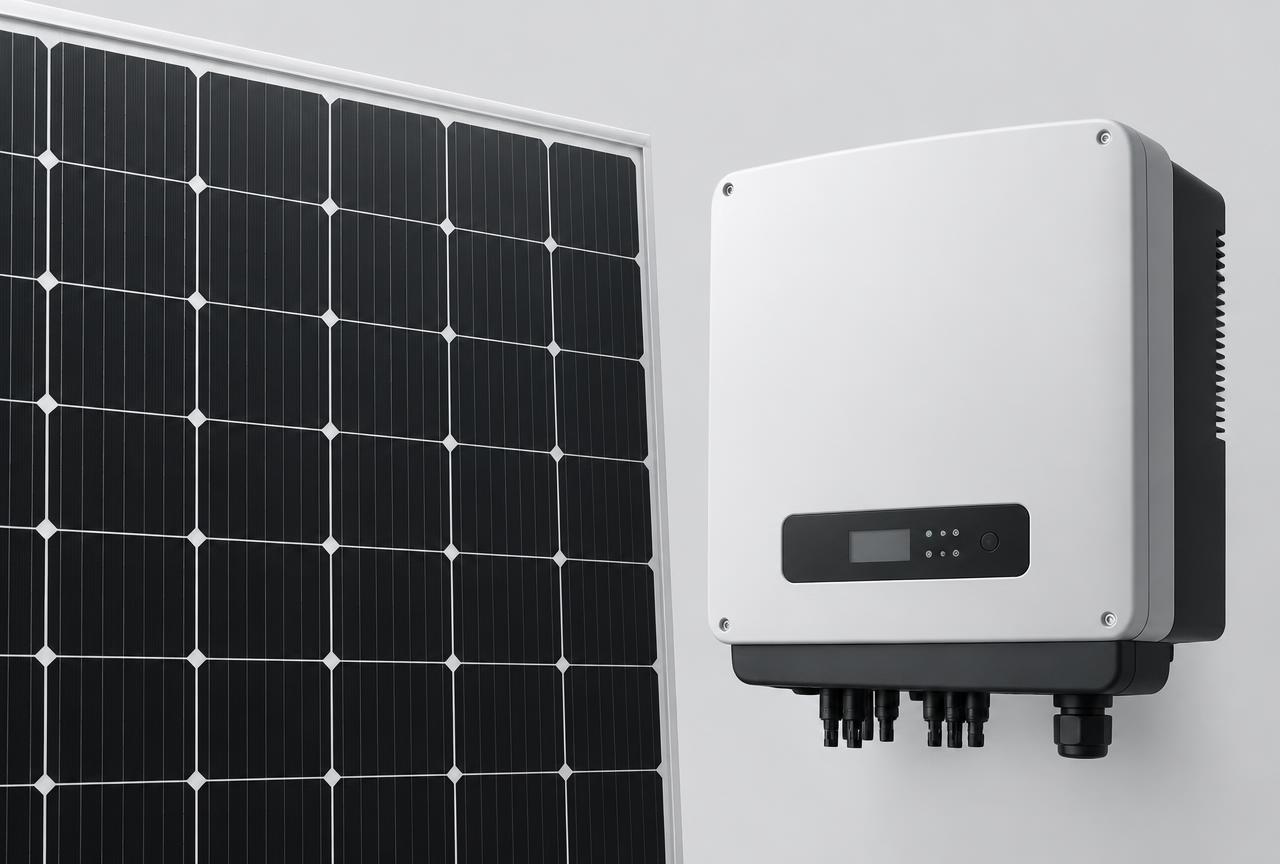
Solar consultancy gives an owner independent technical clarity before committing capital — what capacity is feasible, what it should cost, what specification to insist on and what to verify during execution.
For: Businesses evaluating a first solar investment
Explore Solar Consultancy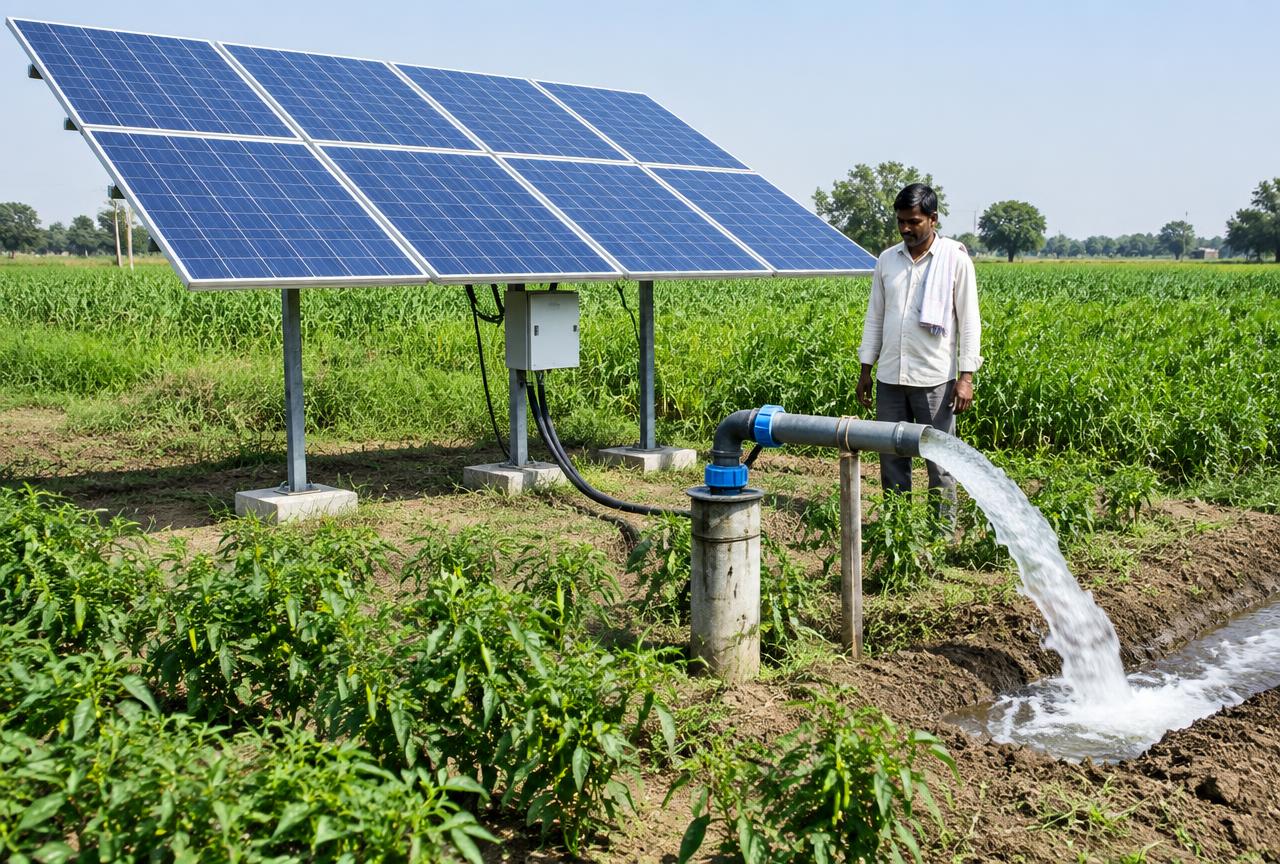
A solar water pumping system runs a surface or submersible pump directly from solar modules through a pump controller, delivering water during daylight hours without diesel or grid supply.
For: Farms and agricultural landholdings
Explore Solar Water Pumping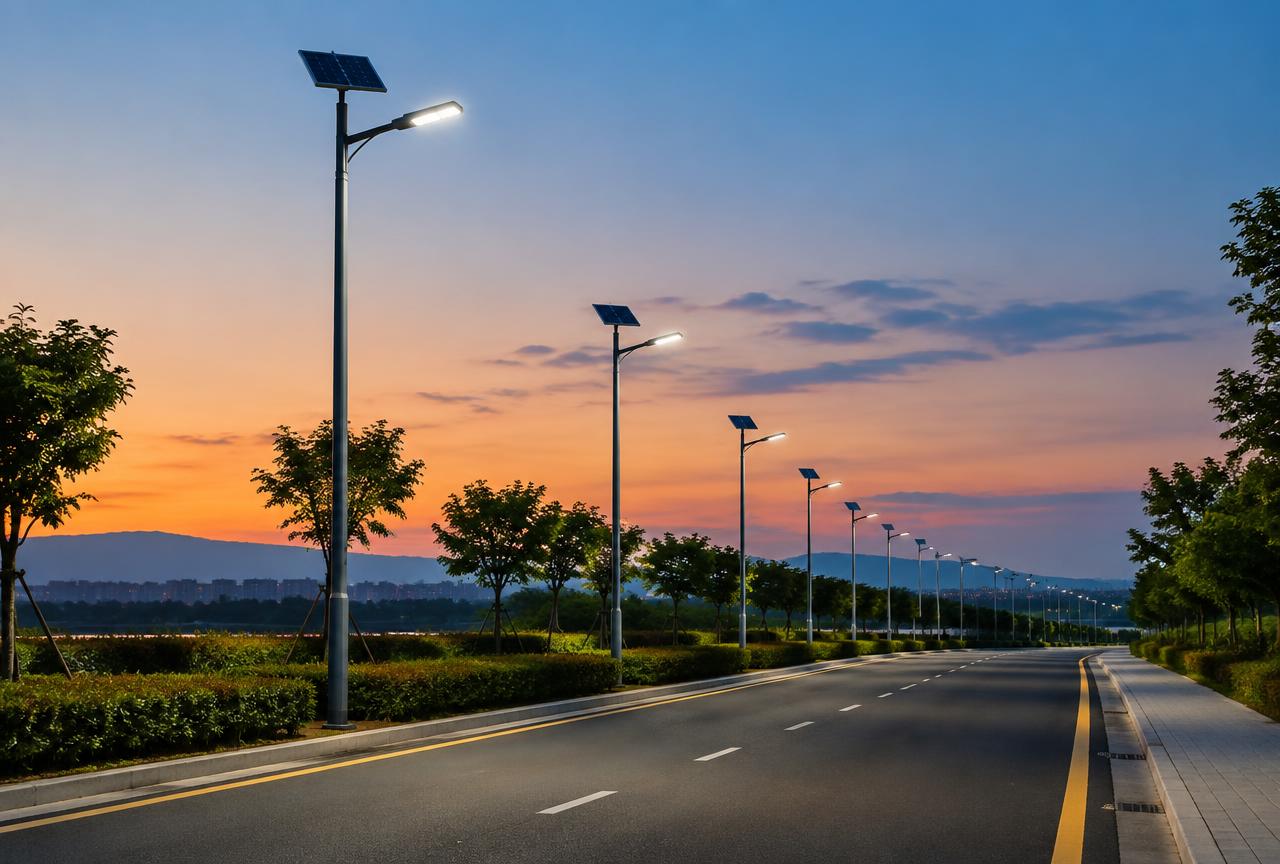
Solar street lights are standalone units in which a panel charges a battery during the day to run an LED luminaire at night, with no cabling back to a grid supply point.
For: Residential layouts, gated communities and apartment campuses
Explore Solar Street LightingResidential solar
A home system is sized from your consumption history and the shade-free area your terrace actually offers. We assess structure, orientation and shading before proposing capacity — not after.
On-grid systems reduce the units you import. Where supply is unreliable, a hybrid or off-grid design keeps essential circuits running during outages.
Commercial & industrial
For factories, warehouses, institutions and commercial buildings, solar displaces high-tariff day-time units at the point of consumption. The engineering — structural capacity, cable routing, protection coordination, safe working at height — decides whether that benefit lasts.
We plan execution around your operations, with shutdowns limited to the activities that need them and agreed in advance.
MW-scale EPC
At MW scale a plant is a construction project as much as an electrical one: civil foundations, mounting structures, DC stringing, AC works, balance of system and evacuation all have to be sequenced with inspection points at each stage.
GLS carries engineering, procurement and construction under one scope, with documented commissioning and as-built records at handover.
How it works
Eight stages, each documented before the next begins. We confirm your project schedule in the proposal after the site assessment.
We understand your load profile, electricity bill, tariff category and objective.
Roof or land survey covering area, orientation, shadow, structure and electrical infrastructure.
Capacity sizing, layout, module and inverter selection, cable and protection design.
Detailed scope, bill of materials, indicative generation and commercial proposal.
Structure fabrication and erection, module mounting, DC and AC works, earthing and protection.
Insulation, polarity, string current, earthing and inverter commissioning checks.
Coordination for net-metering or grid approval where applicable, then documented handover.
Generation review, scheduled cleaning and inspection, and corrective maintenance.
Products & technology
Modules, inverters, structures, cables, batteries, pumps, lights and panels — with datasheets shared before approval. We do not publish specifications or warranties on a manufacturer's behalf.
Photovoltaic modules that convert sunlight into DC electricity — the generating element of every solar system.
View specificationsThe inverter converts DC from the array into usable AC power and controls how the system interacts with the grid and batteries.
View specificationsThe structure holds modules at the designed tilt and orientation and transfers wind and dead loads safely into the roof or ground.
View specificationsBalance of system covers everything between the modules and the supply point — where quality quietly decides long-term safety and losses.
View specificationsBatteries store solar energy so selected loads can run when there is no generation or no grid.
View specificationsPump sets powered directly by solar modules through a controller, for irrigation and water supply without diesel or grid power.
View specificationsSelf-contained lighting units that charge by day and illuminate by night without grid cabling.
View specificationsSwitching, protection and metering enclosures that make a solar plant safe to operate and maintain.
View specificationsProjects & evidence
Our case-study library is being documented with client approval. Rather than publishing unverified numbers or photographs, we are adding projects as owners confirm what may be shared.
If you would like project references relevant to your category — residential, commercial, industrial or institutional — ask us and we will share what has been approved for disclosure.
Questions answered
Short answers first, detail after. Full list on the FAQs page.
Cost depends on capacity, system type (on-grid, off-grid or hybrid), roof condition, structure height and the components selected. GLS quotes against your actual site and consumption after an assessment, so the figure reflects your project rather than an advertised per-kW rate.
Capacity is derived from your electricity consumption over the last 6–12 months, your usable shade-free roof area and your sanctioned load. A home consuming more during the day can usefully absorb a larger share of generation.
On-grid systems work alongside the utility grid without batteries and stop generating during an outage. Off-grid systems use batteries to run loads independently of the grid, at a higher cost and with battery replacement over time.
Consultation, site assessment, system design, proposal, engineering and installation, testing and commissioning, grid integration or handover, and then monitoring and maintenance. Each stage is documented before moving to the next.
Module cleaning frequency depends on dust, bird activity and rainfall at your site; electrical connections, earthing and inverter logs are checked on a periodic schedule. A site-specific plan is set during handover.
One contractor takes engineering, procurement and construction responsibility: design, material supply, civil and electrical execution, testing and commissioning, handed over as a working plant with documentation.
Tell us your location and electricity consumption. A GLS engineer will review it and come back with a clear, scoped proposal.